🎗️Лента новостей


Онкология
Almost a third of women in their 20s have never been screened for cervical cancer
The percentage of women in their 20s who have never been screened for cervical cancer has been increasing at a disturbing rate over the past 20 years—to the point that almost a third of women ages 21 to 29 have never been screened.

Онкология
Cancer biosimilars associated with lower costs for insurers and patients
Biologic drugs play an important role in treating cancers such as breast cancer and lymphoma, but their high costs can add to the financial burden of cancer care. Now, lower-cost versions known as biosimilars are gaining ground, and a new study led by researchers at the UCLA Health Jonsson Comprehensive Cancer Center…

Онкология
Report reveals Native Hawaiian women in U.S. have highest breast cancer incidence
Cancer data for Asian American and Native Hawaiian and Pacific Islander (NHPI) people are usually combined, hiding vast differences in cancer risk. New disaggregated data analyzed by researchers at the American Cancer Society (ACS) show that Native Hawaiian women have 27% higher breast cancer incidence than White…

Онкология
ACS Report Reveals Native Hawaiian Women in U.S. Have Highest Breast Cancer Incidence; Wide Variation in Cancer Risk Among Asian American, Native Hawaiian and Pacific Islander Population
American Cancer Society researchers stress disaggregated data critical to effectively target cancer prevention and control interventions


Онкология
Use of active surveillance ‘encouraging’ in early prostate cancer
Use of active surveillance for early prostate cancer increased sharply in the VA healthcare system over the past couple decades, according to a research letter published in JAMA. Adoption of the approach tripled among men with low-risk prostate cancer and quadrupled among those with favorable intermediate-risk…

Онкология
No safe tan: Why Canada's sunburn problem keeps getting worse
Scroll through social media and you will encounter a strange vocabulary for an old impulse: "tanmaxxing," "UV chasing" and "SPF shunning." In some corners of the internet, sunscreen is described as toxic, while a "natural" tan is portrayed as protective.


Онкология
Study finds cancer-specific messages and graphic images may improve awareness of alcohol-related cancer risks
Online warnings about alcohol and cancer prompted stronger responses when they named specific cancers and included AI-generated images showing health consequences, according to a new study led by researchers at Sylvester Comprehensive Cancer Center, part of the University of Miami Miller School of Medicine.

Онкология
Daily sugary beverage intake may double risk for gastric cancer
A prospective study of more than 110,000 individuals found consumption of at least one 8 oz. sugar-sweetened beverage per day was associated with a nearly 2.5 times greater risk for gastric cancer. The study, published in Gastro Hep Advances, found no link between intake of artificially sweetened beverages and…
Онкология
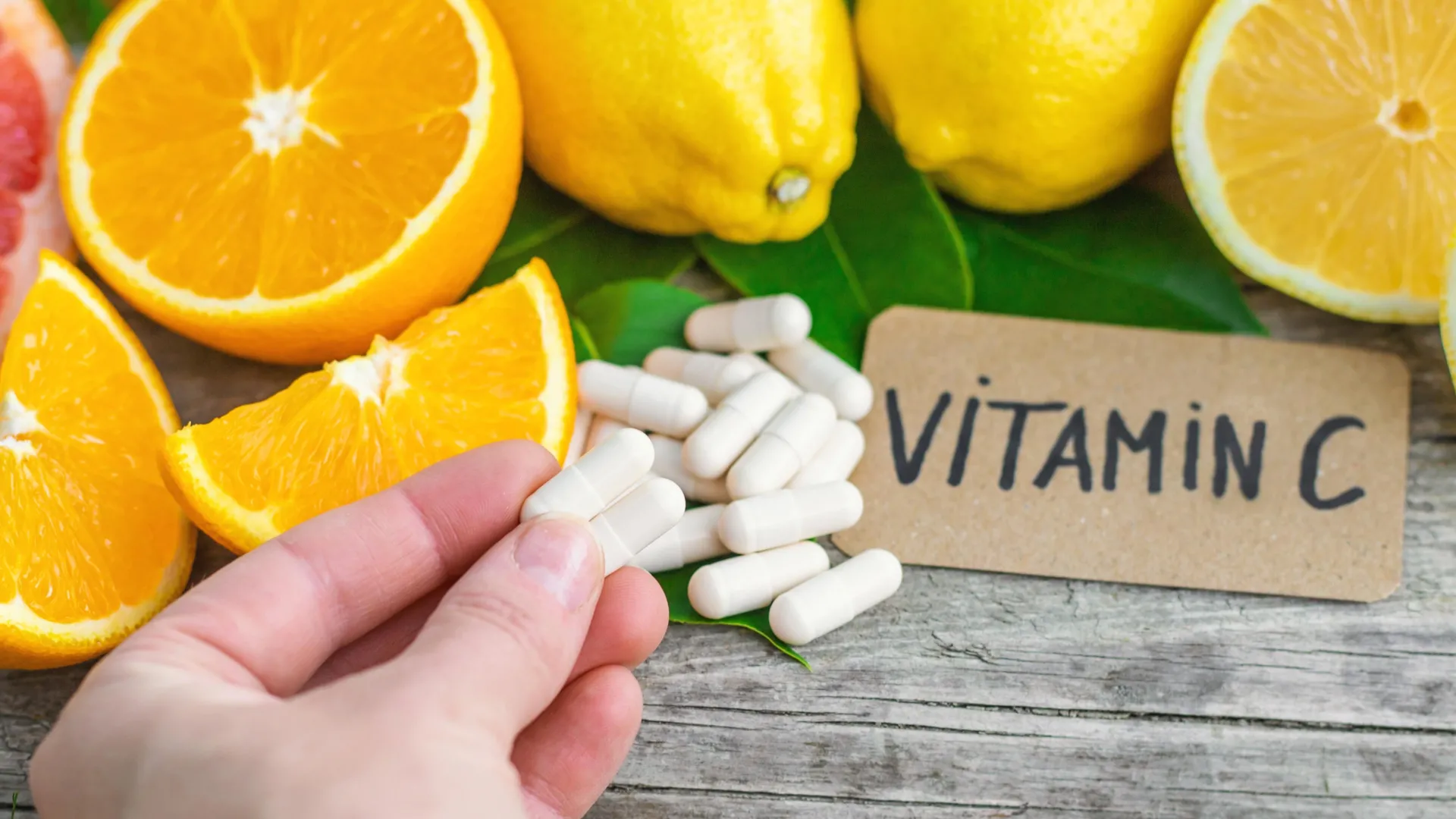
Vitamin C won’t prevent most colds, but it may do one small thing
The belief that huge doses of vitamin C can ward off colds was popularized more than 50 years ago by Nobel Prize winner Linus Pauling. Since then, larger studies have found that vitamin C does not prevent most people from catching a cold, although regularly taking it may make severe symptoms slightly shorter or milder.

Онкология
FDA approves new treatment for hard-to-treat pancreatic cancer
The U.S. Food and Drug Administration announced Wednesday the approval of a treatment for pancreatic cancer that could usher in a new era in managing one of the deadliest forms of the disease.

Онкология
New start-up aims to cut cost of producing proteins for cancer care and diagnostics
A new University of Kent start-up has been launched to commercialize biotechnology that could make it cheaper and easier to produce proteins used in cancer treatments, vaccines and diagnostic tests. Sirius Proteins was registered this month, taking technology developed and patented at Kent a step closer to wider…