New Pancreatic Cancer Vaccine Sparked Immune Responses in 99% of Patients
New Pancreatic Cancer Vaccine Sparked Immune Responses in 99% of Patients ScienceAlert

Researchers at the University of Tsukuba conducted a physician-initiated phase 2 clinical trial of dasatinib in patients with relapsed or refractory T-follicular helper cell lymphoma (TFHL), an aggressive and difficult-to-treat blood cancer. The study identified genetic alterations and features of the immune…
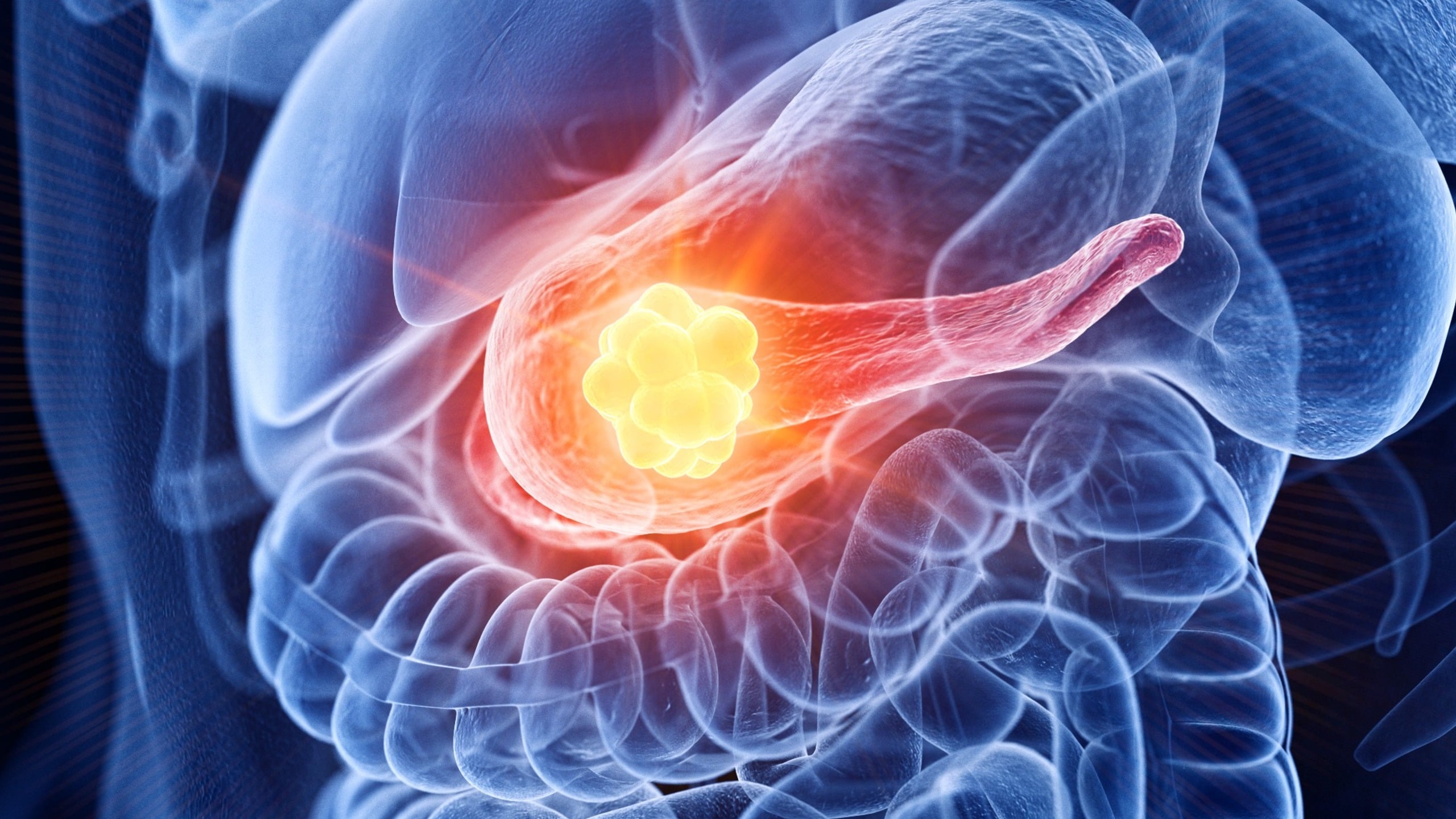
New Pancreatic Cancer Vaccine Sparked Immune Responses in 99% of Patients ScienceAlert
До 20 случаев рака груди ежегодно выявляют в Жамбылской области Казинформ

Возраст меняет поведение опухоли: учёные сравнили рак кишечника у молодых и пожилых пациентов Правда.Ру

For decades, scientists have known that a protein made by T cells and natural killer (NK) cells in the immune system, called perforin, can kill tumor cells by punching a hole in the cell wall and injecting proteases called granzymes, which kill the cell. Now, new work led by researchers at the University of Michigan…

For pediatric patients with high-risk B-cell acute lymphoblastic leukemia (B-ALL), residential fine particulate matter (PM₂.₅) concentrations during induction therapy are associated with positive end-of-induction (EOI) minimal residual disease (MRD), according to a study published in JNCI Cancer Spectrum.


Тихий враг: как распознать риск рака желудка до появления явных симптомов СБ. Беларусь сегодня

How Lewis Hamilton and F1 Helped Raise £275K for Childhood Cancer Research Oncodaily

Triple-Negative Breast Cancer in Algeria in 2026: What Has Changed? Oncodaily

Foundational gift accelerates Penn Medicine brain tumor research and care | Newswise Newswise
Commentary: I want a cure for brain tumors, so I’m going to vote for it Colorado Newsline

Research report: Patient perspectives on cardioprotective medication during breast cancer treatment Bioengineer.org


Northwestern Medicine scientists and collaborators have demonstrated a novel liquid biopsy technique that can measure cancer burden and reveal molecular characteristics of small cell lung cancer (SCLC), according to a new study published in the Journal of Clinical Investigation.